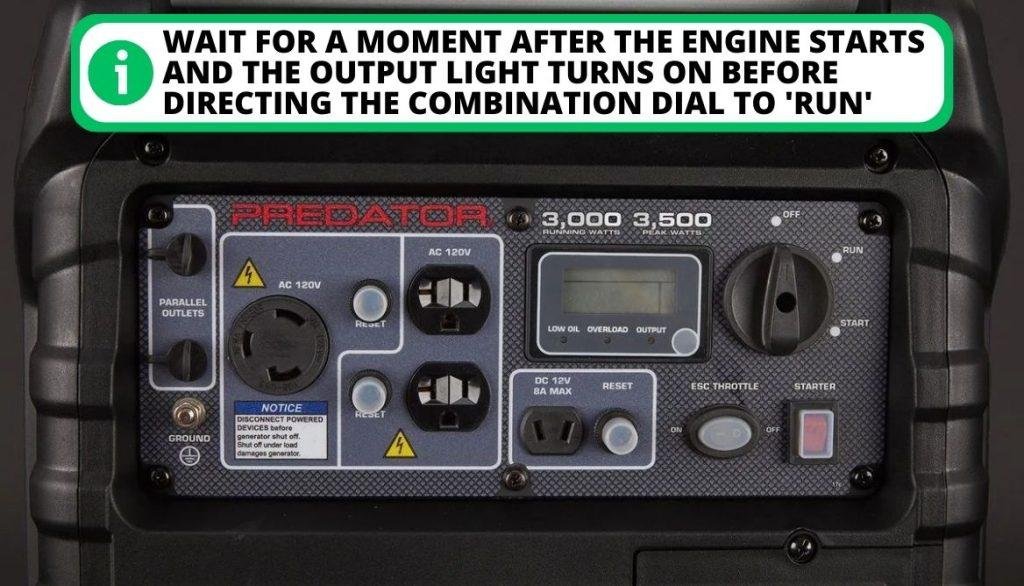
Even the most reliable power sources can have their off days. If you're a proud owner of a Predator 3500 Inverter Generator, you know it's a workhorse, famed for its quiet operation and consistent output. But like any complex piece of machinery, it can encounter hiccups. This comprehensive guide will walk you through troubleshooting common issues with Predator 3500 generators, helping you diagnose problems, implement effective fixes, and keep your power flowing smoothly.
Think of this as your personal expert mechanic, offering practical advice without the jargon. We'll cover everything from stubborn starting issues to unexpected shutdowns, ensuring you're empowered to tackle most problems yourself.
At a Glance: Your Quick Troubleshooting Toolkit
- Generator Won't Start? Check fuel (fresh, open valve), oil level, spark plug, and battery.
- Starts, Then Shuts Down? Likely a clogged fuel cap vent, dirty carburetor, or air filter.
- Power Output Issues? Look for overload, a tripped breaker, or poor fuel quality.
- Engine Overheating? Ensure good ventilation, clean cooling fins, and correct oil levels.
- Preventive Maintenance is Key: Regular oil changes, filter checks, and running the generator monthly will save you headaches.
- Safety First: Always operate in a well-ventilated area, away from enclosed spaces.
The Predator 3500: A Reliable Workhorse (with a few quirks)
The Predator 3500 has earned its reputation for a reason: it's a solid, portable inverter generator that delivers clean power suitable for sensitive electronics. Owners often praise its relatively quiet operation (around 57 dB at 25% load) and fuel efficiency. However, even with top-notch design, everyday use and environmental factors can lead to common issues. Understanding these challenges isn't about finding fault with your generator; it's about being prepared to keep it running optimally.
When Your Predator 3500 Says "No Thanks": Common Starting Problems
Nothing's more frustrating than needing power and your generator refusing to cooperate. Most starting problems boil down to a few key areas: fuel, spark, or compression. Let's break them down.
My Predator 3500 Won’t Start At All
This is perhaps the most common and often the easiest problem to fix. Before you panic, systematically check these components:
- Fuel System First:
- Level and Quality: Is there enough fuel? More importantly, is it fresh? Stale gasoline, especially with ethanol, can gum up your fuel system in a matter of weeks. Drain old fuel and replace it with fresh, ethanol-free gasoline if possible.
- Fuel Valve: Is the fuel valve open? This might sound obvious, but it’s a common oversight!
- Fuel Filter: Over time, debris can accumulate and clog the fuel filter, restricting fuel flow. Inspect it for blockages; if it looks dirty or obstructed, clean or replace it.
- Fuel Cap Vent: A blocked fuel cap vent can create a vacuum, preventing fuel from flowing. Try loosening the fuel cap slightly and attempt to start the generator. If it starts, you've found your culprit – clean the vent.
- Carburetor: If your fuel is old or your filter is clogged, the carburetor can get gummed up. This is a common cause of starting issues. Cleaning the carburetor might be necessary, which often involves disassembly and using a carburetor cleaner.
- Oil Level Check:
- The Predator 3500 has a low oil sensor that will prevent the engine from starting or running if the oil level is too low. Always verify your oil level and top it off if needed, using the correct oil type specified in your manual.
- Spark Plug Inspection:
- The spark plug is crucial for ignition. Remove it and inspect for damage, carbon buildup, or wear.
- Clean: Use a wire brush to clean any soot or deposits from the electrode.
- Gap: Verify the gap is correct using a feeler gauge.
- Replace: If the spark plug looks fouled, worn, or damaged, simply replace it. This is an inexpensive part and often an easy fix.
- Battery Health (Electric Start Models):
- If your generator has an electric start, a low or dead battery is a prime suspect.
- Voltage: Measure the battery voltage with a multimeter. A healthy battery should read between 12.6V and 12.8V. Anything below 12.6V likely needs a charge or replacement.
- Terminals: Inspect battery terminals for corrosion. Clean any white or green buildup with a wire brush.
It Starts, Then Quickly Shuts Down
This scenario often points to an issue that allows the generator to briefly ignite but prevents it from maintaining combustion.
- Fuel Cap Vent: As mentioned above, a blocked fuel cap vent can create a vacuum once the engine starts, starving it of fuel. Loosen the cap to see if the problem resolves.
- Dirty Carburetor Jets: Even if the main carburetor is clean, specific jets can be partially blocked, leading to an inconsistent fuel supply. Cleaning these fine jets is critical.
- Clogged Air Filter: A dirty air filter restricts airflow to the engine, causing it to "choke" and shut down. Remove and inspect your air filter. Clean it if it's reusable, or replace it if it's excessively dirty or damaged.
- Low Oil Sensor: Just like preventing a start, the low oil sensor will immediately shut down a running engine if the oil level drops below a safe threshold. Double-check your oil level.
Keeping the Power Flowing: Tackling Output and Performance Glitches
Once your Predator 3500 is running, you expect stable power. If you're experiencing fluctuations or a complete lack of output, here's how to troubleshoot.
Surging or Unstable RPM
If your generator's engine sounds like it's "hunting" or its RPMs are constantly fluctuating, it's usually a fuel delivery or engine load issue.
- Dirty Carburetor: This is a very common cause. Small blockages in the carburetor's passages can lead to inconsistent fuel-air mixtures, causing the engine to surge. A thorough cleaning is often the best solution.
- Partially Clogged Fuel Filter: A filter that's not completely blocked but still restricting flow can cause the engine to intermittently starve for fuel, leading to surging. Replace the fuel filter.
- Vacuum Leak: An air leak in the intake system (e.g., a loose hose clamp or a cracked gasket) can introduce unmetered air, disrupting the fuel-air ratio. Inspect all intake connections and gaskets.
- ECO Mode with Fluctuating Loads: The Predator 3500's ECO mode is designed for fuel efficiency but can sometimes struggle with rapidly changing or high-surge loads. If you're running appliances with motors that kick on and off frequently, try turning ECO mode off to see if the surging stops.
No Power Output
This is a critical issue when your generator is running but not delivering any electricity.
- Generator Overload: The most common cause. You might be asking too much of your generator.
- Load Management: Ensure the total wattage of all connected devices does not exceed your generator's capacity. Using a wattage meter can help you monitor this.
- Reduce Load: Turn off unnecessary devices. Try to distribute the load evenly across available outlets.
- Tripped Circuit Breaker: Your generator has built-in circuit breakers to protect it from overloads.
- Reset: Locate the circuit breaker on the control panel (it often looks like a rocker switch) and switch it off, then back on.
- Check for Shorts: If the breaker trips immediately again, disconnect all devices and check them for potential short circuits before reconnecting them one by one. Avoid frequent tripping, as this indicates a persistent issue.
- Bad Fuel Quality: While primarily a starting issue, severely degraded fuel can sometimes lead to poor engine performance that impacts power generation. Replace with fresh fuel.
- Voltage Regulation Issues:
- Voltmeter Check: Use a voltmeter to check the actual voltage output at the generator's outlets. It should match the generator's specified output (e.g., 120V).
- AVR (Automatic Voltage Regulator): If the voltage is unstable or incorrect, the AVR might be faulty and need inspection or replacement. This component stabilizes the output voltage.
- Cleanliness: Ensure all generator components, especially electrical ones, are clean and free of debris.
- Faulty Inverter Board or Damaged Stator: These are more serious internal electrical issues.
- Wiring Inspection: Visually inspect wiring for loose connections or damage. If comfortable, use a multimeter to test for continuity.
- Professional Help: If troubleshooting load and breaker issues doesn't solve it, and you suspect an internal electrical component like the inverter board or stator, it's usually time to seek professional help. Replacing faulty inverter parts is a complex task. For a deeper dive into the features and capabilities of this machine, you might find our Predator 3500 inverter generator guide incredibly helpful.
The Heat Is On: When Your Engine Overheats
An overheating engine isn't just a concern; it can lead to serious damage. If your Predator 3500 is running excessively hot or shuts down due to an overheat error, here's what to check:
- Lack of Airflow / Confined Space: Generators need ample airflow to cool themselves.
- Ventilation: Always operate your generator in a well-ventilated outdoor area.
- Distance: Keep it at least 20 feet away from doors, windows, and vents to prevent exhaust fumes from entering enclosed spaces. Never run it indoors or in a garage.
- Blocked Air Intake/Cooling Fins: The generator's cooling system relies on clear pathways.
- Inspect Cooling System: Check for debris (leaves, dirt, dust, animal nests) obstructing the cooling fins. Use a soft brush or compressed air to clean them.
- Cooling Fan: Ensure the cooling fan is working properly. If it's damaged or not spinning, it will need replacement.
- Low or Dirty Oil: Oil not only lubricates but also helps cool the engine.
- Oil Level: Check your oil level regularly and fill if low.
- Oil Quality: Use the correct type and viscosity of oil. Old, dirty oil loses its lubricating and cooling properties; replace it according to the maintenance schedule.
- Clogged Air Filter: A severely clogged air filter can cause the engine to run "rich" (too much fuel, not enough air), which can increase engine temperature. Inspect and clean/replace the air filter.
- Overloading: Continuously running the generator at or near its maximum capacity can put excessive strain on the engine and lead to overheating. Reduce the load.
Beyond the Engine: Electrical and Battery Headaches
Sometimes the problem isn't with the engine's core function but with the electrical system or the starting battery.
Battery Won't Hold Charge
If your electric start doesn't respond, and you suspect the battery, here's how to approach it:
- Old Battery: Batteries have a finite lifespan. If yours is several years old, it might simply be at the end of its useful life and needs replacement.
- Faulty Charging Circuit: The generator recharges its own battery during operation. If the charging circuit is faulty, the battery won't get topped up. You'll need to test the charging output with a multimeter while the generator is running. If there's no output, a component in the charging circuit (like the stator or rectifier) might be bad.
- Corroded Terminals: Corroded battery terminals create resistance, preventing proper charging and current flow. Clean them thoroughly with a wire brush.
Decoding Error Codes: Quick Fixes for Common Alerts
The Predator 3500's digital display can show error codes, providing immediate clues to the problem.
- Low Oil: If this code appears, the engine will typically shut down. Check your oil level and fill it to the appropriate mark.
- Overload: This indicates you've exceeded the generator's power capacity. Disconnect excess load and then reset the circuit breaker.
- Overheat: The generator has detected an unsafe operating temperature. Turn it off, allow it to cool down, clear any obstructions around the air intake or cooling fins, and reduce the connected load before restarting.
Prevention is Your Best Friend: Essential Maintenance for Longevity
The best way to troubleshoot common issues is to prevent them in the first place. Regular, proactive maintenance keeps your Predator 3500 running smoothly and extends its lifespan.
- Regular Inspections: Make it a habit to check key components weekly or every 20 hours of use, especially when actively using the generator. This includes checking oil levels, inspecting air filters, and examining the spark plug's condition.
- Run Generator Under Load: Even if you don't need it, run your generator monthly for at least 30 minutes with a decent load (e.g., a few lights or small appliances). This circulates oil, lubricates seals, and keeps the carburetor from gumming up.
- Oil Change: Change the engine oil every 50–100 hours of use, or at least annually, even if usage is low. Dirty oil degrades performance and can lead to engine wear.
- Filter Replacement:
- Air Filter: Inspect frequently (e.g., every 50 hours of use or monthly). Clean if dirty; replace every 100 hours of use or annually, or sooner if severely damaged.
- Fuel Filter: Replace annually or if you notice restricted fuel flow.
- Spark Plug: Check and clean the spark plug every 100 hours of use or monthly. Replace it annually or if it shows signs of significant wear or fouling.
- Fuel Smarts: Always use fresh, ethanol-free gasoline whenever possible. If you must use ethanol-blended fuel, add a quality fuel stabilizer, especially during storage.
- Cooling System: Regularly clean the cooling fins and air intake areas to ensure unobstructed airflow.
- Cleaning: After use, wipe down the exterior with a clean, dry cloth to remove dirt and grime. Avoid using water directly on the generator, especially near electrical components.
- Storage: If storing for an extended period, drain the fuel tank completely or run the generator dry with fuel stabilizer. Disconnect the battery to prevent discharge. Store in a cool, dry, covered location, protected from the elements.
Finding the Right Fix: Genuine vs. Aftermarket Parts & Where to Buy
When a part needs replacing, you'll face a choice: genuine or aftermarket. Understanding the pros and cons can save you time and money.
Understanding Your Options
- Genuine Parts (OEM - Original Equipment Manufacturer):
- Pros: Perfect fit, engineered specifically for your Predator 3500, often higher quality, ensure optimal performance and longevity, typically come with a warranty.
- Cons: More expensive.
- Aftermarket Parts:
- Pros: Cheaper, wider availability from various third-party manufacturers.
- Cons: Quality varies significantly. A cheap part might be poorly manufactured, leading to premature failure or even damage to your generator. Research is absolutely necessary to ensure you're getting a reputable brand.
Sourcing Your Spares
- Genuine Parts:
- Authorized Dealers: Often the best source for guaranteed genuine parts and expert advice.
- Manufacturer’s Website: Check Harbor Freight's parts section for direct purchases.
- Aftermarket Parts:
- Online Platforms: Amazon, eBay, and specialized generator parts stores offer a wide selection. Read reviews carefully!
- Local Hardware Stores: For common consumables like spark plugs, fuel filters, and oil, your local hardware store might have compatible options.
DIY Installation: A Step-by-Step Approach
If you're replacing a part yourself, a systematic approach is crucial.
- Read the Manual: Always consult your Predator 3500's user manual for specific instructions on part removal and installation.
- Safety First: Disconnect the spark plug wire and, if applicable, the battery before performing any maintenance or part replacement to prevent accidental starts.
- Tools: Gather all the necessary tools before you begin. Having the right wrench or screwdriver can make a huge difference.
- Organize: Lay out your parts and tools in an organized manner. Take pictures as you disassemble to aid in reassembly.
- Double-Check: After installation, double-check all connections, hoses, and fasteners.
- Test Safely: Test the generator in a safe, well-ventilated outdoor environment before putting it back into regular service.
Safety First, Always: Protecting Yourself and Your Equipment
Operating a generator safely is paramount. Carbon monoxide poisoning, electrical shock, and fire are serious risks that can be easily avoided with proper precautions.
Ventilation: The Golden Rule
- Outdoors Only: Never, ever run your generator indoors, in a garage, carport, shed, or any other enclosed or partially enclosed space.
- Distance is Key: Position your generator at least 20 feet away from doors, windows, and vents of any occupied building to prevent deadly carbon monoxide fumes from entering. Carbon monoxide is odorless and colorless, making it incredibly dangerous.
- Carbon Monoxide Detector: Consider installing battery-operated carbon monoxide detectors with digital displays in your home, especially if you plan on using a generator during power outages.
Fuel Handling: Fire Prevention
- Approved Containers: Store gasoline in approved, clearly labeled fuel containers.
- No Overfilling: Never overfill the fuel tank. Leave a little space for expansion.
- Cool Down Before Refueling: Always turn off the generator and allow it to cool completely before refueling. Gasoline spilled on a hot engine can ignite, leading to a fire or explosion.
- Spill Cleanup: Immediately wipe up any spilled fuel.
Emergency Preparedness
- Fire Extinguisher: Keep a fully charged fire extinguisher (rated for electrical and flammable liquids, e.g., Class BC or ABC) nearby when operating your generator.
- Quick Shutdown: Familiarize yourself with how to quickly and safely shut down your generator in an emergency.
- Basic First Aid: Know basic first aid in case of minor injuries.
When to Call in the Pros: Knowing When to Seek Expert Help
While many Predator 3500 issues are fixable with DIY troubleshooting, some problems are best left to certified technicians. Knowing when to call in the cavalry can save you from further damage, frustration, and potential safety hazards.
Spotting Serious Issues
- Persistent Power Loss: If you've tried all the troubleshooting steps for "No Power Output" and the problem persists, especially if it involves internal electrical components, it's time for an expert.
- Unusual Noises, Smoke, or Burning Smell: These are clear indicators of a potentially serious internal mechanical or electrical problem. Shut down the generator immediately and do not attempt to operate it.
- Frequent Circuit Tripping: While an occasional trip is normal for overload protection, frequent, inexplicable tripping can indicate underlying electrical issues, possibly with the inverter board or stator, which require specialized diagnostics.
- Complex Internal Repairs: If the issue requires dismantling the engine significantly, dealing with complex wiring, or specialized tools you don't possess, professional help is warranted.
Choosing a Service Pro
- Certified Technicians: Look for technicians certified in small engine repair or, ideally, those with specific experience with Predator generators.
- Reviews & Recommendations: Check online reviews and ask for recommendations from other generator owners.
- Authorized Service Centers: Authorized service centers (if available for Predator) often have specialized tools, access to genuine parts, and up-to-date training directly from the manufacturer, which can lead to more reliable repairs.
Repair vs. Replace: A Cost-Benefit Analysis
Before committing to an expensive repair, consider the overall cost versus replacing the unit.
- Detailed Estimates: Always request a detailed estimate for the repair, including parts and labor.
- Age and Condition: Consider the age and overall condition of your Predator 3500. If it's an older unit with significant wear and tear, an expensive repair might just be a temporary fix before other components fail.
- New Unit Cost: Compare the repair estimate to the cost of a new Predator 3500 or a comparable generator. Sometimes, investing in a new, warrantied unit is more cost-effective in the long run.
Maximizing Your Predator's Potential: Smart Usage & Beyond
Your Predator 3500 inverter generator offers quiet operation (around 57 dB at 25% load) and clean power, making it a valuable asset for camping, tailgating, or emergency backup. Understanding how to troubleshoot common issues ensures its longevity. During extended outages, you can even adopt a hybrid power approach: pair your gas generator with a silent, fuel-free portable power station for lighter loads. This strategy extends your fuel reserves and reduces wear and tear on your gas generator, letting it handle the heavy lifting only when absolutely necessary. With proper care and knowledge, your Predator 3500 will be a reliable source of power for years to come.