When the lights go out, or you’re seeking reliable power off-grid, few pieces of equipment become as essential as a quality generator. And if you’ve been researching portable power, chances are you’ve come across the Predator 3500. This highly-regarded inverter generator often finds itself at the heart of discussions comparing it against its fiercest competitors and even its own siblings within the Predator lineup. Understanding the nuances of the Predator 3500 vs. Competitors & Other Models is key to making an informed decision that truly meets your power needs.
Since 1988, Predator generators have built a reputation for delivering reliable power, offering solutions from nimble portable units to robust whole-building backups. But what makes the Predator 3500 such a standout, and how does it truly stack up when put to the test? Let's dive deep into the world of portable power, cutting through the noise to help you find your perfect power partner.
At a Glance: Your Generator Decision Checklist
Before we unpack the specifics, here are the core takeaways to keep in mind when navigating the generator market:
- Wattage is King: Match generator output to your specific power needs – from small devices to entire homes.
- Inverter Tech Matters: For sensitive electronics, quiet operation, and fuel efficiency, an inverter generator like the Predator 3500 is often the best choice.
- Portability vs. Power: Smaller units are easy to move; larger ones provide more juice but might need wheels.
- Fuel Type: Gasoline is common, but propane or natural gas offer alternatives.
- Safety First: Look for low-oil shutdown, overload protection, and CO-Minder technology.
- Noise Level: Decibels significantly impact comfort, especially for camping or residential use.
- Budget & Warranty: A generator is an investment; consider both upfront cost and long-term support.
Understanding the Heart of Portable Power: What Exactly is a Generator?
At its core, a generator is a marvel of engineering that transforms mechanical or chemical energy into usable electricity. Whether powered by water, wind, magnetism, steam, or most commonly, gasoline, these machines are indispensable tools for a variety of situations. From powering small devices during a remote camping trip to keeping essential appliances running during a widespread outage, or even providing consistent electricity on a bustling construction site, generators are the unsung heroes of reliable power.
Among the various types, inverter generators have become increasingly popular, particularly for their ability to deliver "clean" power. Unlike traditional generators that produce raw AC power directly, inverter generators convert AC power into DC, and then back into AC, resulting in a stable, high-quality sine wave. This process makes them ideal for sensitive electronics like laptops, smartphones, and medical equipment, preventing potential damage from power surges or fluctuations. Typically gas-powered, these units range from around 2,000 to 13,500 watts, offering a spectrum of power solutions.
Why the Predator 3500 Stands Out (and Where It Fits)
The Predator 3500 Inverter Generator has carved out a significant niche for itself in the portable power market, often lauded as a top choice for its blend of power, portability, and performance. This unit boasts 3500 starting watts, making it capable of firing up many common household appliances, power tools, and RV components.
One of its most appealing attributes is its relatively quiet operation, typically hovering around 65 dB. To put that in perspective, it's roughly the sound level of a normal conversation or a quiet dishwasher, making it far less intrusive than many conventional generators. Its inverter technology ensures not only a steady, clean power supply but also impressive fuel efficiency, translating to longer run times from its gasoline tank.
Weighing in at a portable 47 pounds, it’s designed with mobility in mind, making it a favorite for tailgating, camping, or light job site use. Should you need more juice for a bigger job or larger RV, the Predator 3500 offers parallel capability, meaning you can link two units together to double your available power. Additional practical features include a low-oil indicator for engine protection, robust electronic overload protection, and a durable outer design built to withstand the rigors of outdoor use. Plus, it's EPA III and CARB certified, meeting stringent environmental standards.
Sizing Up the Predator Family: 3500 vs. Its Siblings
While the Predator 3500 is a fantastic all-rounder, Predator offers a range of generators designed for different needs. Understanding these distinctions helps illuminate where the 3500 truly excels and when you might consider stepping up or down.
Predator 2000 Inverter Generator: When "On the Go" is Key
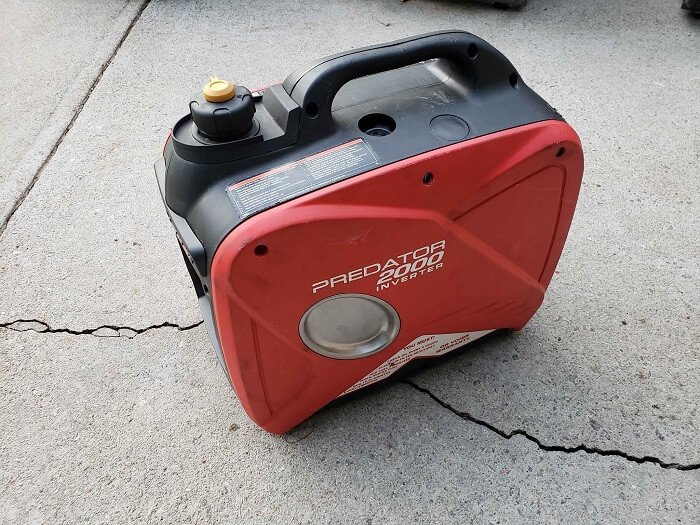
For those who prioritize ultimate portability and minimal power needs, the Predator 2000 is an excellent choice. This lightweight, compact machine offers 2,000 peak watts, making it ideal for charging phones, running a small fan, or powering a few lights during a picnic or short camping trip. It delivers approximately 6.5 hours of power from a small fuel tank and operates quietly, thanks to its inverter technology. If your primary concern is powering a handful of sensitive electronics in truly "on the go" situations, the 2000 watt model is a strong contender, lighter and more compact than its 3500-watt sibling.
Predator 3200 (Running Watts Generator): A Solid Backup for Essentials
While the Predator 3500 is an inverter generator, the Predator 3200 is a more traditional running watts generator. It provides 3200 running watts, which is ample for backing up essential appliances during a power outage. It features a standard array of outlets, including 2 x 120V Duplex, 1 x 240V twist-lock, and 1 x 12V DC, making it versatile for home backup. While it has an efficient fuel tank system and runs quietly for its type, its primary distinction from the 3500 is its non-inverter technology, meaning it's less suited for sensitive electronics and might not be as quiet or fuel-efficient as the inverter models. It represents a different philosophy – raw, consistent power for appliances that don't demand "clean" sine wave electricity.
Predator 6500 Generator: Powering More Than Just the Basics
Stepping up in power, the Predator 6500 is designed for those who need more than just a few essential circuits powered. It delivers a maximum of 6,500 starting watts and 5,500 continuous watts, capable of running multiple major household appliances simultaneously. With a 12-hour run time at 50% load, it's a workhorse for extended outages or demanding job sites. Powered by a robust 420 CC, 13 HP Air Cooled OHV engine, it features an easy recoil start and includes a wheel kit to manage its 165-pound weight. It also boasts a low oil indicator and low oil shutdown for protection. For its size and power, it's surprisingly quiet, making it a strong option for home backup without the full scale of whole-house power.
Predator 13500 Gas Generator: The Beast for Whole-Building Power
When you need serious power—enough to run an entire home or office building—the Predator 13500 Gas Generator steps up to the plate. This high-power option delivers a massive 11,000 running watts, ensuring everything from your refrigerator and HVAC system to all your lights and electronics stay powered. It includes crucial safety features like auto-shutdown for power surges and low oil shutdown for durability. Encased in a high-impact outer shell, this unit is built for demanding use. However, with great power often comes a trade-off: this model operates at a significantly higher noise level compared to its smaller, inverter-equipped siblings. It's truly designed for robust, stationary backup rather than portable convenience.
Predator Models at a Glance
| Model | Starting Watts | Running Watts | Portability | Noise Level | Key Features | Best Use Case |
|---|---|---|---|---|---|---|
| Predator 2000 | 2,000 | 1,600 | Lightweight | Quiet | Inverter, fuel-efficient, parallel-ready | Light camping, tailgating, small electronics |
| Predator 3500 | 3,500 | 3,000 | Portable | Quiet (~65 dB) | Inverter, parallel-ready, electric start, clean power | RVs, sensitive electronics, home essentials |
| Predator 3200 | 4,000 | 3,200 | Portable | Moderate | Standard generator, various outlets, efficient fuel tank | Home backup (non-sensitive), power tools |
| Predator 6500 | 6,500 | 5,500 | Wheel Kit | Moderate | High power, long run time, low oil shutdown, wheel kit | Home backup, job sites, larger appliances |
| Predator 13500 | 13,500 | 11,000 | Stationary | High | Whole-building power, auto-shutdown for surges, low oil shutdown, high-impact shell | Whole-home backup, heavy construction |
Head-to-Head: Predator 3500 vs. the Champion 4500 (A Real Showdown)
When we talk about the Predator 3500 and its competitors, the Champion 4500 Inverter Generator almost always comes up. Both are excellent choices in the mid-range portable inverter generator category, offering similar features but with distinct advantages.
Where the Predator 3500 Shines
The Predator 3500 boasts a slightly quieter operation, often rated around 56 dBA compared to the Champion 4500’s 61 dBA. While 5 dBA might not seem like a huge difference on paper, in a quiet campground or backyard, it can be noticeable. It also includes specific outlets like a 120V 20A L5-30R twist-lock and a two-pin 12VDC, which can be crucial for certain RV or outdoor equipment setups. Historically, the Predator 3500 often comes in at a slightly lower price point, making it an attractive option for budget-conscious buyers. Its 2-year limited warranty provides peace of mind, and it features electric start, a wattage meter, and CO-Minder technology for added safety and convenience.
Champion 4500's Edge
The Champion 4500 takes the lead in raw power and endurance. It offers more starting watts (4500 vs. Predator's 3500) and running watts (3500 vs. Predator's 3000), giving it a bit more headroom for demanding appliances. This extra power means it can handle slightly larger loads or start more demanding items with less strain. Furthermore, the Champion 4500 offers a longer run time—up to 14 hours at 25% load compared to the Predator’s 11 hours. This is largely due to its superior fuel efficiency, converting gasoline into power more effectively (5.326 kWh/gallon vs. 3.541 kWh/gallon). For outlets, the Champion provides a 120V 30A (TT-30R) RV-ready outlet and a 12VDC automotive-style outlet, which are standard for many RV setups. It also offers a more generous 3-year limited residential warranty (with 270 days for commercial use). Optional remote start, a dual USB port adapter, and outlet covers are additional thoughtful touches from Champion.
What They Share: The Common Ground
Despite their differences, both are highly capable machines. They are both portable, gasoline-powered, 120V, 60 Hz inverter generators. Both feature a recoil pull start (in addition to electric start on the Predator and optional remote start on the Champion), low oil shutdown, and a fully enclosed design that contributes to quieter operation. Each packs a 212cc 4-stroke engine and includes a built-in digital Smart LCD to monitor performance, fuel levels, and remaining run time. Crucially for sensitive electronics, both produce less than 3% THD (Total Harmonic Distortion), ensuring clean power. Finally, both units are parallel-ready, allowing you to link them with another compatible generator for increased output, and they come equipped with wheels for easier transport. Customer reviews for both are overwhelmingly positive, with support teams generally resolving technical issues effectively.
Making Your Choice: When to Pick Which
- Choose the Predator 3500 if: You prioritize a slightly quieter operation, need the specific 120V 20A L5-30R twist lock outlet, or if a slightly lower price is a primary concern. Its reliable performance for RVs and home essentials remains a top draw.
- Choose the Champion 4500 if: You need that extra bit of power capacity (especially for starting watts), desire a longer run time due to better fuel efficiency, or require the specific RV-compatible 120V 30A (TT-30R) outlet. The longer warranty and optional remote start are also strong selling points.
Ultimately, both are excellent investments. Your decision will likely hinge on the subtle differences that align best with your specific power requirements and priorities.
Beyond Brands: What Truly Matters When Buying a Generator
Stepping back from specific models, let's explore the universal factors that should guide any generator purchase. These considerations apply whether you're eyeing a Predator, a Champion, or any other brand on the market.
Starting Up: Electric vs. Recoil
Generators typically offer one of two primary starting mechanisms:
- Electric Start: This is the easiest option, requiring just the push of a button. It's especially beneficial in emergencies or for anyone who might struggle with manual pulling. The Predator 3500 features this, adding to its user-friendliness.
- Recoil Start: This traditional method involves pulling a ripcord, similar to starting a lawnmower. While reliable, it can be more physically demanding. Many generators offer both as a backup, which is always a good idea.
Hauling Power: Portability and Weight
A generator's weight and design significantly impact its usability:
- Small Generators (under 50 pounds): These are the kings of portability, perfect for camping, tailgating, or moving around frequently. The Predator 3500, at 47 pounds, fits squarely into this highly portable category.
- Larger Models (100-300 pounds): These units pack more power but are considerably heavier. A built-in wheel kit is essential for transport, transforming a daunting lift into a manageable roll. Generators over 5,000 watts almost always benefit from (or include) a wheel kit.
Fueling Your Needs: Gasoline, Propane, or Natural Gas?
The fuel type directly impacts cost, storage, and run time:
- Gasoline: The most common and often cheapest fuel source for portable generators. However, gasoline has a shorter shelf life and requires careful storage. Most Predator portable generators, including the 3500, run on unleaded gas.
- Propane: Offers a longer shelf life than gasoline and burns cleaner, but it can be less efficient and propane tanks can be bulky.
- Natural Gas: The highest quality fuel type for generators, offering continuous supply without refueling. However, these are typically larger, stationary home backup units and require a natural gas line connection.
- Dual Fuel/Conversion Kits: Some generators offer dual-fuel capability (e.g., gasoline and propane), providing flexibility. Conversion kits are also available for some models to switch between fuel types.
Staying Safe and Informed: Gauges and Automatic Shutoffs
Safety and operational awareness are paramount:
- Fuel and Oil Gauges/Indicator Lights: These allow you to monitor fluid levels, preventing unexpected shutdowns.
- Automatic Shutoff: A crucial safety feature, especially for low fuel or low oil levels. This prevents the machine from running dry, which can cause significant and irreparable engine damage. The Predator 3500 includes a low-oil indicator and overload protection. Some generators also include CO-Minder technology, which shuts the unit down if carbon monoxide levels become dangerously high.
Connecting Your Devices: Outlets Galore
The number and type of outlets determine what you can power simultaneously:
- Multiple Outlets: Essential for powering several devices at once, whether for an outdoor event, a camping trip, or an emergency home backup.
- Specialty Outlets: Look for specific outlets like 120V/240V twist-lock for heavy-duty appliances, or RV-ready (TT-30R) outlets if you plan to power your recreational vehicle directly. The Predator 3500 offers a good mix of standard and specialized outlets.
Wattage Wisdom: How Much Power Do You Really Need?
Choosing the right wattage is perhaps the most critical decision. Too little, and you're underpowered; too much, and you're overpaying and lugging unnecessary weight.
- 2,000 - 2,500 Watts: Ideal for small devices, charging phones, running a fan, a few lights, or a very small refrigerator. Perfect for light camping or tailgating. The Predator 2000 fits here.
- 2,500 - 6,500 Watts: Suitable for most household appliances (including a hot water heater on the higher end), RVs, or outdoor events. This range can comfortably power a refrigerator, microwave, lights, and some electronics during an outage. The Predator 3500 and 6500 are excellent choices in this category, depending on the number of appliances you need to run.
- 11,000+ Watts: Required for powering an entire house/building or large construction sites. These are typically heavy-duty units designed for serious backup power or continuous industrial use. The Predator 13500 falls into this powerful category.
To determine your exact needs, list all the appliances you want to power, find their starting (surge) and running watts, and sum them up. Always add a buffer for safety.
The Big Picture: Generator Advantages You Can't Ignore
Beyond the technical specs, generators offer profound practical benefits that make them a worthwhile investment:
- Emergency Preparedness: During power outages caused by storms, natural disasters, or grid failures, a generator becomes a lifeline. It ensures you can maintain essential heating or cooling, preserve food in refrigerators, and keep communication devices charged.
- Off-Grid Freedom: For recreational activities like camping, RV trips, or remote cabin living, generators provide the convenience of electricity where traditional power sources don't exist.
- Job Site Productivity: Construction crews and outdoor workers rely on generators to power tools, lights, and equipment, ensuring work continues efficiently regardless of grid access.
- Long-Lasting Investment: With proper maintenance, a quality generator can last for many years, offering reliable power for countless situations. They hold their value well and are a crucial piece of equipment for resilience.
The Honest Truth: Potential Downsides to Consider
While generators are invaluable, it's also important to be aware of their potential drawbacks:
- Cost: Quality generators, especially those with advanced features like inverter technology, can be a significant upfront investment. Higher-powered models are naturally more expensive.
- Size and Weight: As discussed, larger, higher-powered models can be bulky and heavy, posing challenges for storage and transport. While wheel kits help, they still require considerable space.
- Fuel Consumption and Cost: Inefficient models can lead to increased fuel costs over time, especially during extended use. This highlights the importance of researching fuel efficiency, where inverter generators like the Predator 3500 often outperform conventional models.
- Maintenance: Generators require regular maintenance, including oil changes, spark plug checks, and fuel stabilization, to ensure longevity and reliable operation. Neglecting maintenance can lead to costly repairs.
- Noise and Emissions: While inverter generators are quieter, all gasoline generators produce some noise and exhaust fumes. Proper ventilation and distance from living spaces are critical for safety and comfort.
Your Next Steps: Choosing the Right Generator for Your Life
Choosing the right generator isn't about finding the "best" model overall, but rather the "best" model for your specific needs. Whether it's the versatile Predator 3500, a more compact Predator 2000, a robust Predator 6500, or a powerful competitor like the Champion 4500, the ideal choice hinges on a careful assessment of several factors.
Start by clearly defining what you intend to power: Is it just a few camping essentials, or do you need to back up critical home appliances? Next, consider how often you'll move the unit and where it will be stored. Factor in your budget, preferred fuel type, and the level of noise you're comfortable with.
Armed with this comprehensive comparison and understanding of key buying considerations, you're now well-equipped to make a confident decision. Invest wisely, and you'll gain not just a generator, but reliable peace of mind for years to come.