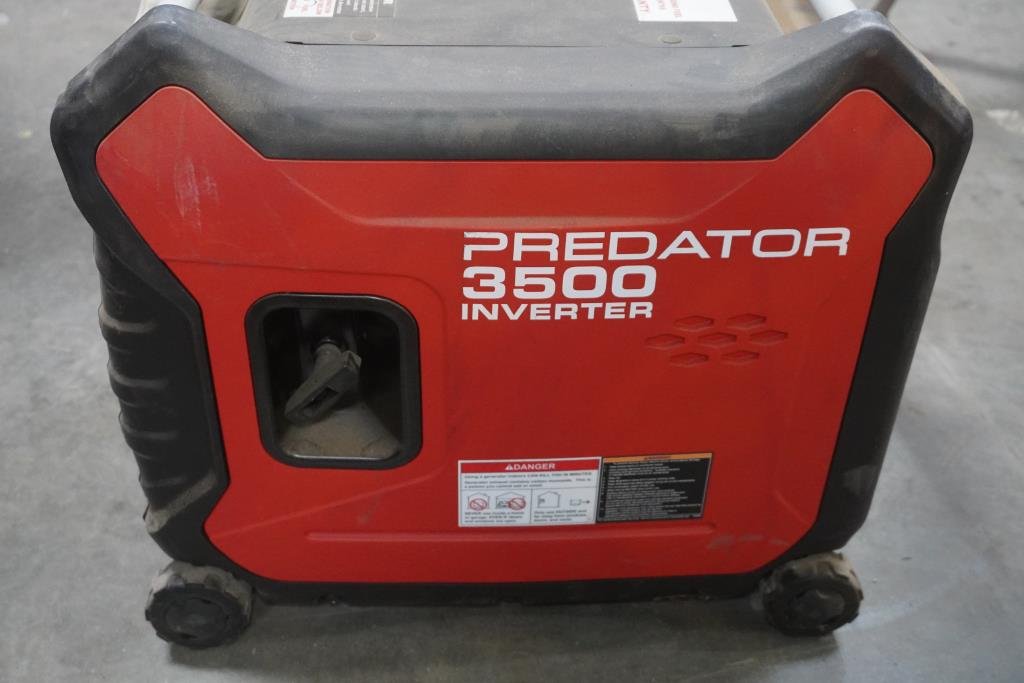
There's a quiet hum in the air among outdoor enthusiasts, DIY warriors, and anyone needing reliable portable power: the buzz around the Predator 3500 inverter generator. If you've been eyeing this popular power solution from Harbor Freight, you're likely sifting through myriad Predator 3500 Inverter Generator Reviews & Specifications, trying to cut through the noise (pun intended) to determine if it's the right fit for your needs.
You’re not just looking for raw specs; you want to know what it’s really like to own and operate this machine. Does it live up to the hype? What are its true capabilities and limitations? We're diving deep to give you a comprehensive, no-nonsense look at everything you need to know.
At a Glance: Predator 3500 Inverter Generator
- Power Output: 3500 peak watts, 3000 running watts – enough for most RVs, tailgates, or light home backup.
- Noise Level: Exceptionally quiet, often cited as one of its best features.
- Fuel Efficiency: Impressive run times on a single tank, thanks to its inverter technology.
- Portability: Weighs around 100 lbs (dry), requiring two people or a cart for easy movement.
- Key Features: Electric start, CO-PROTECT™ sensor, parallel capability, RV-ready outlet.
- Value Proposition: Often praised for offering premium features and performance at a more accessible price point than leading competitors.
Why the Predator 3500 Captures Attention: More Than Just a Price Tag
In a market saturated with portable generators, the Predator 3500 has carved out a significant niche for itself. It consistently appears on "best of" lists and in countless forum discussions, largely because it promises the convenience and efficiency of an inverter generator without the hefty price tag often associated with top-tier brands.
But what exactly makes it so appealing? It’s a compelling blend of robust power, surprisingly quiet operation, and smart features that cater directly to the needs of campers, RV owners, tailgaters, and those seeking reliable emergency power. For many, it hits a sweet spot, bridging the gap between budget-friendly basic models and premium, often much more expensive, alternatives. It delivers on the promise of clean, stable power, safe for sensitive electronics, a critical feature in today’s tech-driven world.
Diving Deep: Key Specifications You Need to Know
Understanding the technical specifications isn't just about reciting numbers; it's about translating those figures into real-world capabilities. Let's break down what the Predator 3500 offers.
Power Output: The Heart of the Machine
- Starting Watts: 3500
- Running Watts: 3000
These numbers tell you what the generator can do. 3500 starting watts means it can handle the initial surge demand from appliances like air conditioners or refrigerators. Once those items are running, the 3000 continuous running watts are available for everything else. For context, this is enough to comfortably run a 15,000 BTU RV air conditioner, along with some lights and other smaller appliances. It's perfectly adequate for powering basic essentials during a power outage or running your setup at a remote campsite.
Engine & Fuel Efficiency: Powering Your Adventures
The Predator 3500 is powered by a 212cc, 4-stroke, air-cooled OHV engine. This is a common and reliable engine size for this class of generator.
- Fuel Tank Capacity: 2.6 gallons
- Run Time: Up to 11 hours at 25% load
This excellent run time is a hallmark of inverter technology. The generator automatically adjusts engine speed to match the power demand, saving fuel when you’re not using its full capacity. This means fewer trips to refuel and more uninterrupted power, which is a huge benefit whether you're camping for a weekend or riding out a storm.
Noise Level: A Whisper, Not a Roar
Perhaps the most celebrated specification of the Predator 3500 is its noise output: 57 dB at 25% load. To put that in perspective, 57 dB is roughly equivalent to a normal conversation or the hum of a refrigerator. This makes it significantly quieter than traditional open-frame generators, which can easily hit 70-80 dB or more.
For RVers and campers, this quiet operation is a game-changer. It means you can enjoy your surroundings without disturbing neighbors or having to shout over your power source. It also makes it a much more pleasant option for home backup, allowing for conversation and peace of mind.
Portability & Size: Moving Your Power Station
- Weight (dry): Approximately 100 lbs
- Dimensions: Roughly 22.8" L x 17.3" W x 20" H
While "portable" is in its name, at 100 pounds, this isn't a generator you'll be casually tossing into the back of your truck. It features sturdy wheels and a telescoping handle, which certainly helps with maneuvering it around a campsite or driveway. However, lifting it into a truck bed or RV storage compartment typically requires two people. Consider investing in a ramp or a generator tray for easier loading and unloading if you'll be moving it frequently.
Outlets & Features: Connecting Your World
The control panel of the Predator 3500 is well-appointed, offering a range of outlets to suit various needs:
- Two 120V AC Household Outlets (5-20R): Standard outlets for everyday appliances.
- One 120V AC RV Ready Outlet (TT-30R): Crucial for RV owners, allowing direct connection without adapters.
- One 12V DC Outlet: For charging batteries or running 12V accessories.
- CO-PROTECT™ Technology: An essential safety feature that automatically shuts down the generator if harmful levels of carbon monoxide are detected. This is a non-negotiable safety addition for any generator, especially those used near living spaces.
- Electric Start: A convenient push-button start, often supplemented by a pull-cord backup.
- Low Oil Indicator: Prevents engine damage by shutting down the generator if oil levels drop too low.
- Overload Protection: Safeguards connected devices and the generator itself from power surges.
- Parallel Capability: Allows you to link two Predator 3500 units together to double your available power, ideal if you need to run larger loads in the future.
What Real Users Say: Unpacking Predator 3500 Reviews
Specs are one thing, but real-world experience paints the full picture. Across forums, review sites, and YouTube channels, a clear consensus emerges regarding the Predator 3500.
The Good: Where It Shines Brightest
- Whisper-Quiet Operation: Consistently the most praised feature. Users rave about its ability to power their RVs or homes without intrusive noise. "You can have a conversation right next to it," is a common sentiment.
- Reliable, Clean Power: Many reviews highlight its consistent power output, making it safe for sensitive electronics like laptops, smartphones, and televisions. This is a critical benefit of inverter technology.
- Exceptional Value: For its feature set and performance, the Predator 3500 often comes in at half the price of comparable Honda or Yamaha models. This makes it an incredibly attractive option for budget-conscious buyers who don't want to compromise on quality.
- RV-Ready: The integrated TT-30R outlet saves RV owners the hassle and expense of adapters, making it a plug-and-play solution for many recreational vehicles.
- Electric Start Convenience: While it has a manual recoil start, the push-button electric start is a major convenience, especially on chilly mornings or after a long day.
The Not-So-Good: Where It Shows Its Stripes
No product is perfect, and the Predator 3500 has its quirks.
- Initial Setup & Break-in: Some users report needing a bit of patience during the initial setup and break-in period. Changing the factory oil after the first few hours is crucial for longevity, and some units might need a few run cycles to smooth out.
- Carburetor Sensitivity: A small but vocal group of users, particularly those at higher altitudes, have reported issues with the carburetor or fuel system, sometimes leading to hard starts or rough running. This isn't unique to Predator; small engines can be sensitive to fuel quality and altitude changes.
- Weight: As mentioned, at 100 lbs, it’s not a featherweight. While the wheels help, loading and unloading can be a challenge for one person.
- Customer Service & Parts Availability (Harbor Freight): While Harbor Freight has improved its customer service, some users occasionally mention a perceived difference in parts availability or technical support compared to dedicated generator brands. However, for common maintenance items, parts are generally easy to find.
- Oil Fill Access: A minor inconvenience, but the oil fill cap can be somewhat tricky to access without a funnel, potentially leading to spills.
Common Use Cases: Where the Predator 3500 Excels
- RVing & Camping: This is arguably its sweet spot. Its quiet operation, RV-ready outlet, and sufficient power for AC units make it a top choice for powering RVs without disturbing campground neighbors.
- Tailgating: The low noise level is perfect for pre-game festivities where you want power for TVs, slow cookers, and music without drowning out conversations.
- Home Backup (Light Duty): While not a whole-home solution, it's excellent for keeping essential appliances running during a power outage—think refrigerator, lights, furnace fan, and charging electronics.
- Job Sites (Light Tools): For professionals needing power for drills, chargers, or lights, its portability and stable output are beneficial.
Getting Started: Setup & First Use Tips
You've unboxed your Predator 3500. Now what? Getting off to a good start ensures a long and happy life for your generator.
- Unboxing and Assembly: The generator comes mostly assembled, but you'll need to attach the wheels and handle. The instructions are usually straightforward.
- Add Engine Oil: Crucially, the generator ships without oil. You'll need to add 0.63 quarts (about 20 oz) of 10W-30 motor oil. Don't overfill! A small funnel with a flexible spout makes this much easier.
- Add Fresh Fuel: Use fresh, unleaded gasoline (87 octane or higher). Avoid old fuel, as it can cause carburetor issues.
- Connect the Battery: The electric start battery might need to be connected or have its shipping disconnect removed.
- Start-up Procedure:
- Ensure all circuit breakers are in the "OFF" position.
- Turn the fuel valve to "ON."
- Flip the engine switch to "ON."
- If cold, apply choke.
- Press the electric start button (or pull the recoil cord).
- Once running, gradually push the choke back in.
- Break-in Period: This is vital. Run the generator for at least 5 hours with a light, varying load (around 25-50% of its capacity). This helps seat the piston rings and allows engine components to wear in properly.
- First Oil Change: After the initial 5-hour break-in, change the oil. This removes any metallic particles from the manufacturing process and ensures clean lubrication for the engine's long-term health. Many users opt for synthetic oil after the break-in for better performance and protection.
Keeping Your Predator 3500 Running Strong: Maintenance Essentials
Regular maintenance is the secret sauce to a reliable generator. Neglect it, and you're asking for trouble when you need power most.
- Oil Changes: After the initial break-in, aim for oil changes every 50-100 hours of operation, or at least once a year, even with minimal use. Always use the recommended 10W-30 oil.
- Air Filter: Check the air filter regularly (every 25-50 hours or before each major use). Clean it if it's dirty, or replace it if it's heavily soiled or damaged. A clean air filter is essential for proper engine combustion.
- Spark Plug: Inspect the spark plug annually or every 100 hours. Clean off any carbon deposits or replace it if it's worn or fouled. A fresh spark plug ensures easy starting and efficient combustion.
- Fuel Storage & Stabilizers: This is paramount. If you're storing the generator for more than a month, always add a fuel stabilizer (like Sta-Bil) to the tank and run the generator for a few minutes to circulate it. Better yet, if storing for several months, drain the fuel tank and run the carburetor dry to prevent gumming, which is a common cause of hard starting.
- Carburetor Cleaning: If you experience hard starting or rough running despite fresh fuel, the carburetor might be clogged. This can often be cleaned with carburetor cleaner, but significant clogs might require removal and a more thorough cleaning or rebuilding. Preventative maintenance with fuel stabilizer largely mitigates this issue.
Predator 3500 vs. The Competition: Is It the Right Fit for You?
When you consider the Predator 3500, it's often in comparison to the "gold standard" inverter generators from brands like Honda and Yamaha, or against other budget-friendly options.
How It Stacks Up Against Premium Brands (Honda EU3000is, Yamaha EF3000iSEB)
- Price: This is the Predator's strongest advantage. It consistently sells for significantly less than comparable models from Honda or Yamaha, often by 50% or more.
- Performance: In terms of raw power output and quiet operation, the Predator 3500 holds its own remarkably well. It produces clean, stable power, suitable for sensitive electronics, just like its premium counterparts.
- Longevity/Durability: This is where the premium brands might have an edge, historically. Honda and Yamaha are legendary for their long-term reliability and bulletproof engines. While the Predator is generally reliable, some users occasionally report minor issues (like carburetor quirks) that are less common with the higher-priced units.
- Resale Value: Premium brands typically hold their resale value better.
- Parts & Service Network: Honda and Yamaha have vast, established service networks. Harbor Freight's network is smaller, though parts for common wear items are usually accessible.
When to Choose the Predator 3500
- You're Budget-Conscious: You need reliable inverter power but can't justify the high cost of a Honda or Yamaha.
- You Prioritize Quiet Operation: Noise is a primary concern, especially for RVing, camping, or tailgating.
- You Need RV Power: The built-in TT-30R outlet makes it incredibly convenient for RV owners.
- You're Willing to Perform Basic Maintenance: If you're comfortable with regular oil changes and fuel management, you'll be able to keep it running smoothly.
- Occasional to Moderate Use: For weekend trips, occasional power outages, or light job site use, the Predator 3500 is an excellent fit.
When to Consider Alternatives
- Absolute Best-in-Class Reliability is Non-Negotiable: If you depend on a generator for daily, heavy-duty commercial use, or simply want the absolute longest lifespan and lowest maintenance headaches regardless of cost, a Honda or Yamaha might be worth the investment.
- Extremely Frequent, Demanding Use: For commercial applications where the generator will run for many hours every day, premium models might offer more robust components.
- Weight is a Major Factor: If 100 lbs is simply too much to handle, look for smaller, lighter inverter generators (though they'll have less power).
- Warranty/Service is a Top Priority: While Harbor Freight's warranty is decent, some prefer the extensive service networks of other brands.
Common Questions & Savvy Answers
Let's tackle some of the most frequently asked questions about the Predator 3500.
Is the Predator 3500 quiet?
Absolutely. At 57 dB at 25% load, it's one of the quietest generators in its class, comparable to normal conversation levels. This is a primary reason for its popularity.
Can the Predator 3500 run my RV's AC?
Yes, most 13,500 BTU RV air conditioners and many 15,000 BTU units will run on the Predator 3500, especially after the initial high-amp start-up. Its 3000 running watts are typically sufficient.
Does the Predator 3500 have a CO sensor?
Yes, newer models of the Predator 3500 include CO-PROTECT™ technology, which automatically shuts down the generator if dangerous levels of carbon monoxide are detected. This is a critical safety feature.
What kind of oil does the Predator 3500 use?
It uses 10W-30 motor oil. During colder temperatures (below freezing), some users opt for 5W-30. Always ensure the oil meets or exceeds API service classification SF, SG, SH, SJ, SL, or SM.
Can I parallel two Predator 3500s?
Yes, the Predator 3500 is parallel-capable. You can purchase a separate parallel kit to link two units together, effectively doubling your available wattage for larger power demands.
Where can I buy Predator 3500 parts?
Common maintenance parts like spark plugs, air filters, and oil are widely available at automotive stores or online. Specific replacement parts can often be ordered through Harbor Freight's customer service or from aftermarket parts suppliers online.
Maximizing Your Investment: Pro Tips for Ownership
Beyond basic maintenance, a few pro tips can greatly enhance your Predator 3500 ownership experience.
- Fuel Management is Key: Always use fresh gasoline. If you're storing the generator for more than 30 days, either drain the fuel completely or use a high-quality fuel stabilizer. Stale fuel is the number one cause of small engine problems.
- Altitude Adjustments: If you regularly operate your generator at significantly different altitudes (e.g., sea level for storage, high mountains for camping), you might need to adjust the carburetor's jetting for optimal performance. Consult the manual or a small engine mechanic.
- Proper Storage: When not in use, store your generator in a dry, well-ventilated area, protected from the elements. Ensure the fuel is stabilized or drained, and the oil is clean.
- Safety First, Always: Never operate the generator indoors, in a garage, or in any enclosed space due to the risk of carbon monoxide poisoning. Keep it at least 20 feet away from your home or RV, with the exhaust pointed away. Always use a CO detector in your RV or home when a generator is running nearby.
- Invest in Accessories: A good quality generator cover will protect it from dust and weather. A wheel kit (if not already integrated) or a generator cart can make moving it much easier.
Your Next Steps to Powering Up
Navigating the world of portable power can feel overwhelming, but the Predator 3500 Inverter Generator offers a compelling balance of performance, features, and value. Having explored its detailed specifications and distilled countless Predator 3500 Inverter Generator Reviews & Specifications, you're now equipped with the knowledge to make an informed decision.
If quiet operation, reliable clean power, and an RV-ready setup are high on your priority list, and you appreciate a strong value proposition, the Predator 3500 deserves serious consideration. Take these insights, assess your specific power needs, and get ready to enjoy dependable power wherever your adventures (or emergencies) take you.