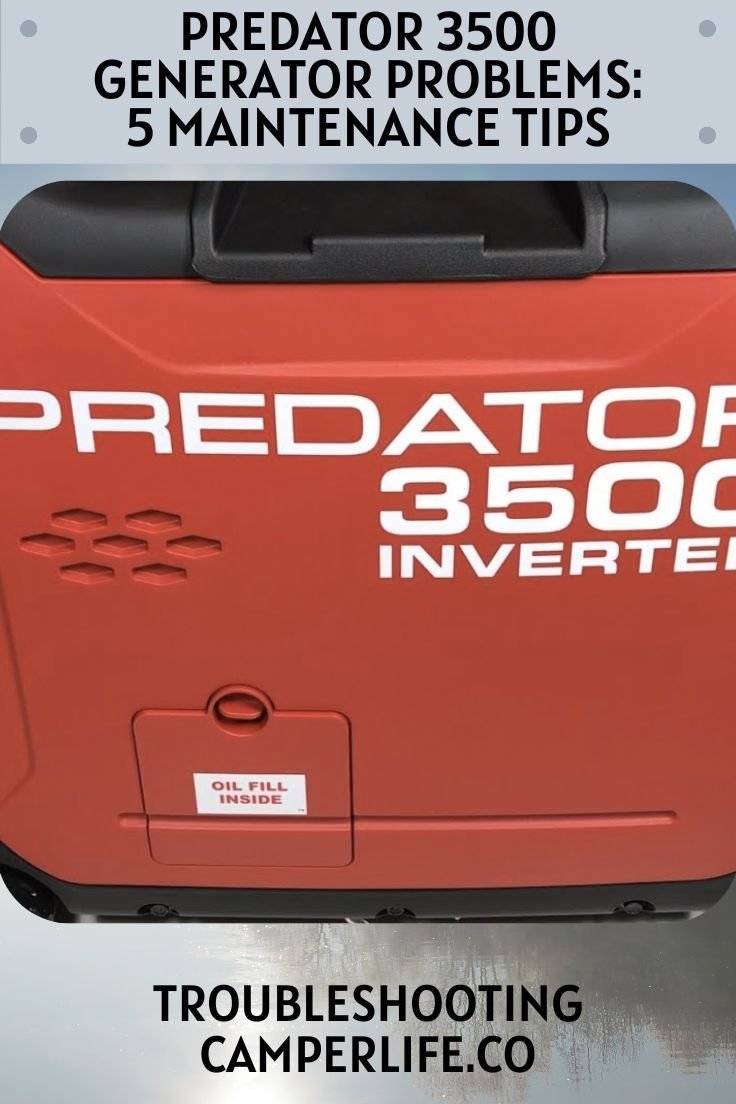
Owning a portable inverter generator like the Predator 3500 brings a powerful sense of security and convenience, whether you're tackling a worksite, enjoying the great outdoors, or preparing for unexpected power outages. But like any reliable piece of equipment, its peak performance and longevity hinge on understanding its operation and committing to a solid maintenance routine. This isn't just a manual; it's your comprehensive Operating & Maintenance Guide for Predator 3500, crafted to make sure your generator is always ready to deliver reliable power when you need it most.
At a Glance: Your Predator 3500 Essentials
- Safety Above All: NEVER operate indoors. Carbon Monoxide is deadly. Maintain at least 20 feet distance from structures, people, and animals.
- Fuel Smart: Use 87+ octane unleaded gasoline, treated with stabilizer. Avoid fuel with over 10% ethanol (E10) or E85.
- Oil is Lifeblood: Your generator ships without oil. ALWAYS fill the crankcase with SAE 10W-30 before its first use and check before every subsequent start. Low oil prevents starting.
- Ground It: Proper grounding is not optional—it's a critical safety measure against electrical shock.
- Break-in Period: The first 30 hours are crucial. Do not exceed 75% of running wattage. Change the oil after this period.
- Regular Care: Consistent maintenance prevents breakdowns, ensures efficiency, and protects your investment.
Getting to Know Your Powerhouse: The Predator 3500
Before we dive into the nitty-gritty, let's briefly recap what makes the Predator 3500 a standout choice. This inverter generator is designed for quiet, efficient power, making it ideal for sensitive electronics and noise-restricted environments.
Quick Specs Rundown:
- Model: PREDATOR 3500
- Power Output: A robust 3000 running watts, with a maximum starting surge of 3500 watts.
- Electrical Output: 120 VAC, 60 Hz, 25 Amps (single phase); plus a 12 VDC, 8 Amp nominal output.
- Outlets: Two standard 3-prong 120 VAC outlets (NEMA #5-20), one 3-prong 120 VAC twist-lock outlet (NEMA #L5-30), and a 12 VDC two-pin outlet.
- Engine: A reliable Horizontal Single Cylinder 4-stroke, OHV engine.
- Fuel Type: Unleaded gasoline, 87+ octane, always treated with a stabilizer. Critical: Avoid gasoline with >10% ethanol (E10) or E85.
- Engine Oil: SAE 10W-30 is recommended for general use.
- Run Time: Impressive 11 hours at 25% load on a full tank.
- Sound Level: A quiet 57 dBA at 23 feet, running at 25% load.
- Spark Plug: F7RTC or an equivalent.
These specs highlight the versatility and capability of your Predator 3500 inverter generator, setting the stage for how to best use and care for it.
Your Absolute Priority: Safety First, Always
We can't emphasize this enough: operating a generator involves inherent risks. Understanding and mitigating these risks is paramount. Treat your Predator 3500 with respect, and it will serve you well.
The Silent Killer: Carbon Monoxide (CO) Hazard
This is the most critical safety warning. Carbon monoxide (CO) is an invisible, odorless, and deadly gas produced by running generators.
- NEVER Use Indoors: This includes homes, garages, trailers, truck beds, or tents. CO can build up rapidly and be fatal.
- Maintain Distance: Operate your generator ONLY OUTSIDE, and at least 20 feet away from any windows, doors, vents, people, animals, and structures. Direct the exhaust away from occupied areas.
- Know the Signs: If anyone feels sick, dizzy, or weak while the generator is running, get to fresh air immediately. Seek medical attention if symptoms persist.
- CO Shutoff System: Your Predator 3500 is equipped with a vital CO shutoff system.
- A flashing RED light indicates dangerous CO levels. The generator will shut off. If this happens, evacuate the area immediately and move the generator to a much better-ventilated space.
- A flashing YELLOW light signals a CO sensor malfunction. Do not use the generator if this light is flashing. Call customer support at 1-888-866-5797 for assistance.
Fire Hazard: Gasoline's Volatility
Gasoline is highly flammable and explosive. Handle it with extreme care.
- No Smoking or Sparks: Never refuel or operate your generator near open flames, sparks, or anything that could ignite gasoline vapors.
- Cool Down Before Refueling: Do not refuel while the engine is running or hot. Gasoline spilled on a hot engine can instantly ignite.
- Clean Spills Immediately: Wipe up any spilled fuel right away.
- Fire Extinguishers: Keep ABC class fire extinguishers readily available.
- Spark Arrestor: In areas with dry vegetation, a spark arrestor may be legally required to prevent wildfires. Check with your local fire agencies.
Electrical Shock: The Hidden Danger
Electricity and water are a dangerous combination. Always exercise extreme caution when dealing with electrical connections.
- Professional Installation: All connections and conduits for standby power, especially those interacting with your home's electrical system, MUST be installed by trained, licensed electricians and comply with all local codes.
- Transfer Switch: For standby power, a transfer switch is mandatory. This isolates your generator's power from the utility grid, preventing dangerous "backfeed" that can injure or kill utility workers. Have a qualified electrician install it.
- Ground It Properly: Do not operate your generator before it is properly earth-grounded (more on this below).
- Stay Dry: Never connect or disconnect electrical loads on wet ground, and avoid touching energized parts.
General Safety Precautions
- Personal Protective Equipment (PPE): Wear ANSI-approved safety goggles, hearing protection, heavy-duty work gloves, and a dust mask/respirator during setup and service.
- Keep Your Distance: Children and spectators should remain at least six feet away from the generator during operation.
- Hot Surfaces: Do not touch a hot engine or muffler. They can cause severe burns. Allow adequate cooling time.
- Don't Overload: Never exceed the generator's running wattage or the individual outlet amperage ratings.
- Ventilation: Do not cover the generator during operation. It needs airflow to prevent overheating.
- Maintain Labels: Ensure all safety labels on the generator remain legible and replace any that are damaged or missing.
Powering Up: Initial Setup & First Steps
Before you can enjoy the reliable power of your Predator 3500, a few critical setup steps are required. Don't skip these!
Grounding It Right: An Essential Safety Measure
Proper earth grounding is non-negotiable for safety. It protects against electrical shock by providing a path for stray current.
- Consult a Professional: If you're not qualified to perform electrical grounding, have a qualified electrician do it.
- Grounding Wire: You will need a #6 AWG grounding wire (not included).
- Grounding Electrode: Connect the grounding wire from the generator's Grounding Terminal to an earth-driven grounding electrode. This could be a pipe or conduit at least ¾ inch in diameter and 8 feet long, or a rod at least 5/8 inch in diameter and 8 feet long. Follow all local electrical codes.
Connecting the Electric Starter Battery
Your Predator 3500 comes with an electric start option, which requires a connected battery.
- Access: Locate and remove the Battery Access Door.
- Secure: Ensure the black strap firmly secures the battery in its compartment.
- Connect Red First: Connect the red cable to the positive (+) battery terminal.
- Connect Black Second: Connect the black cable to the negative (-) battery terminal.
- Close Up: Replace the Battery Access Door securely.
Pre-Flight Checks: Before Every Start
Before you ever try to start your generator, perform a quick visual inspection:
- Damage Check: Look for any signs of damage, loose parts, or missing components.
- Disconnect Loads: Ensure all electrical loads are disconnected from the generator. This prevents a sudden surge when starting.
First Fill: Engine Oil is Non-Negotiable
This is critical: Your generator is shipped without engine oil in the crankcase. Running it even for a moment without oil will void your warranty and permanently damage the engine.
- Fill Before First Use: You MUST fill the crankcase with oil before its very first operation.
- Check Before Each Use: Check the oil level before every subsequent use.
- Oil Type: Use SAE 10W-30 engine oil.
- Filling: Add oil slowly until it reaches the edge of the oil hole. Do not overfill.
- Low Oil Shutdown: The engine is designed to not start (or will shut off) if the oil level is too low, a vital protective feature.
Fueling Up Smart
The right fuel ensures efficient operation and extends your generator's life.
- Fuel Type: Use only 87+ octane unleaded gasoline.
- Stabilizer Treatment: Always treat your gasoline with a fuel stabilizer, especially for fuel that will sit for any length of time.
- Ethanol Warning: Do NOT use gasoline with more than 10% ethanol (E10) or E85. High ethanol content can damage fuel system components.
- Clean Fuel: Never use gasoline from metal containers that might cause rust particles or from dirty containers.
- Filling: Fill the tank to about 1 inch below the neck to allow for expansion. Do not overfill.
Bringing Your Predator to Life: Operation
Once safety and setup are complete, you're ready to start generating power.
Starting Procedures: Manual or Electric
- Economy Switch OFF: Move the Economy (ESC) Switch to the OFF position.
- Combination Switch to START: Turn the Combination Switch to the START position.
- Manual Start (Recoil):
- Pull the Starter Handle slowly a few times to feel resistance.
- Then, pull gently until you feel significant resistance.
- Finally, pull quickly and firmly until the engine starts.
- Do NOT let the handle snap back; guide it gently.
- Electric Start:
- Press and hold the Starter Button for a maximum of 3 seconds.
- If the engine doesn't start, wait 10 seconds before attempting again to prevent battery drain and starter motor damage.
- Engine On: Once the engine starts, the OUTPUT light will illuminate.
- Run Position: Allow the engine to run for several seconds, then slowly move the Combination Switch to the RUN position. Moving it too quickly can cause the engine to stall.
- Stabilize: Crucially, allow the engine to run at no load for five minutes after start-up to stabilize and warm up before connecting any devices.
The Crucial Break-in Period
Think of the break-in period as the engine's "training phase." It's essential for long-term reliability.
- Duration: The break-in period lasts for approximately 30 hours of use.
- Load Limit: During this time, DO NOT exceed 75% of the generator's running wattage. This allows internal components to seat properly without undue stress.
- First Oil Change: After the 30-hour break-in period, change the engine oil. This removes any metallic particles that may have worn off during the initial seating process.
Managing Power: Connecting Your Loads
Once the generator is running and stabilized, you can connect your devices.
- 120 VAC Loads:
- Calculate Wattage: Understand the power draw of your appliances (Volts x Amps = Wattage). Do not exceed the generator's 3000 running wattage or the amperage rating of the individual outlets.
- Connect Smart: Plug in appliances from the largest load to the smallest. This helps prevent overloading the generator at startup.
- Fuel Awareness: Never let the generator run out of fuel with devices still attached, as this can damage sensitive electronics.
- Nominal 12 VDC Output:
- ESC Switch OFF: Always ensure the Economy (ESC) Switch is in the OFF position when using the 12 VDC outlet.
- Battery Charging: This output is designed to charge a 12V lead-acid battery. You must use an appropriate charge controller (not included) to prevent overcharging.
- Unregulated Output: The 12 VDC output is unregulated, meaning its voltage can fluctuate slightly.
- Amperage Limit: Do not connect devices that draw more than 8 amps.
Understanding the Digital Display Screen
Your Predator 3500 features a digital display to keep you informed:
- Voltage (V): Shows the current electrical potential.
- Amperage (A): Displays the current flowing through the circuit.
- Volt Amps / Watts (VA): Indicates the power being used.
- Run Time (Hour): Shows both current and accumulated operating hours—handy for tracking maintenance.
What Indicators Mean (and How to Respond)
Your generator provides visual cues for various operational states.
- Overload Indicator: If the OVERLOAD light turns on and power output stops, it means you've exceeded the generator's capacity.
- Response: Disconnect all devices, reduce the total load, reset any tripped circuit breakers on the generator, and then restart the generator.
- Low Oil Indicator: If the LOW OIL light turns on, the engine will automatically shut off to prevent damage.
- Response: Add SAE 10W-30 engine oil to the proper level before attempting to restart the engine.
- Economy (ESC) Switch: This switch controls the engine's RPM based on load.
- ON: For lighter loads. This reduces engine speed, lowers noise levels, and saves fuel.
- OFF: Required for starting the engine, for heavy loads, or when using the 12 VDC output.
Shutting Down Safely
Proper shutdown procedures are important for generator longevity.
- Emergency Stop: In an emergency, simply turn the Combination Switch to OFF.
- Normal Shutdown:
- Turn off and unplug all electrical loads.
- Set the ESC Switch to OFF (if it was ON).
- Turn the Combination Switch to OFF.
Keeping It Running Strong: Your Maintenance Schedule
Regular maintenance is the cornerstone of a reliable generator. Skipping maintenance leads to poor performance, increased wear, and potential breakdowns. Some tasks are simple DIY, while others may require a professional.
| Interval | Task | Notes |
|---|---|---|
| Before Each Use | Brush off engine exterior | Prevents dirt/debris buildup. |
| Check engine oil level | Crucial for engine protection. | |
| Check air filter | Ensure it's clean and unobstructed. | |
| Monthly or Every 8 Hours | Change engine oil | Regular oil changes are vital for engine health. |
| Every 3 Months or Every 50 Hours | Clean/replace air cleaner element | A clean air filter ensures proper fuel-air mixture. |
| Check/clean spark plug | Affects starting and engine performance. | |
| Every 6 Months or Every 100 Hours | Check/clean spark arrestor | Prevents fire hazards. |
| Check/adjust idle speed | Ensures proper running RPM. | |
| Yearly or Every 300 Hours | Check/adjust valve clearance | Often requires specialized tools/knowledge. |
| Clean fuel tank/strainer/carburetor | Prevents fuel system clogs. | |
| Every 2 Years | Replace fuel line | Prevents leaks and maintains fuel delivery. |
| Clean carbon build-up (combustion chamber) | Helps maintain engine efficiency. | |
| Important Note: If you operate your generator in dusty or dirty environments, you'll need to service it more frequently than the schedule indicates. Additionally, some advanced items like valve clearance adjustments and carburetor cleaning are best left to a qualified technician unless you are experienced with small engine repair. |
DIY Maintenance Essentials
Let's walk through some of the maintenance tasks you can confidently handle yourself.
Engine Oil Change
Regular oil changes remove contaminants and maintain engine lubrication.
- Cool Down: Always wait for the engine to cool down completely before draining oil. Hot oil can cause burns.
- Drain: Place a suitable pan under the drain plug, then remove the drain plug to allow the old oil to completely empty.
- Refill: Once drained, replace the drain plug securely. Fill the crankcase with fresh SAE 10W-30 oil to the proper level (to the edge of the oil hole).
Air Filter Element Maintenance
A clean air filter is essential for proper engine performance and fuel efficiency.
- Paper Elements: If your air filter has a paper element, clean it by tapping out loose dirt or using pressurized air (blow from the inside out) to remove debris. If heavily soiled, replace it.
- Foam Elements: Wash foam elements in warm, soapy water. Rinse thoroughly until clean, then allow them to dry completely. Once dry, soak the foam element in lightweight engine oil and gently squeeze out any excess oil before reinstalling.
Spark Arrestor Maintenance
The spark arrestor prevents incandescent particles from escaping the exhaust and potentially starting a fire.
- Cool Down: Ensure the generator is completely cool before attempting to clean the spark arrestor.
- Access: Remove the rear screws and grate covering the spark arrestor.
- Clean: Use a wire brush to thoroughly clean any carbon deposits from the spark arrestor screen.
- Reinstall: Securely re-install the spark arrestor immediately after cleaning. Do not operate without it, especially in dry areas.
Spark Plug Check-up
A healthy spark plug ensures reliable starting and efficient combustion. Your generator uses an F7RTC spark plug or equivalent.
- Remove: Carefully remove the spark plug cap and then use a spark plug wrench to remove the plug itself.
- Inspect: Look for signs of wear, fouling (black, oily deposits), or unusual coloration (should be light tan).
- Clean/Replace: If dirty, clean with a wire brush or a specialized spark plug cleaner. If worn, cracked, or excessively fouled, replace it.
- Adjust Gap: Check the spark plug gap using a feeler gauge and adjust it according to specifications (refer to your manual for the precise gap, though F7RTC typically has a common gap).
- Anti-Seize: Apply a small amount of anti-seize material to the spark plug threads to prevent it from seizing in the cylinder head.
- Tighten: Install the new or cleaned spark plug by hand until snug, then tighten with a wrench to the specified torque. Do not overtighten. Reconnect the spark plug cap.
Long-Term Care: Storage Guidelines
If you plan to store your Predator 3500 for more than 20 days, proper preparation is key to preventing problems when you retrieve it.
- Cleaning: Clean the engine exterior with a dry cloth. Avoid using water, which can get into electrical components.
- Fuel Management: This is crucial for preventing carburetor issues.
- Option 1 (Preferred for longer storage): Treat fresh gasoline with a fuel stabilizer and fill the tank. Run the engine for a few minutes to ensure the stabilized fuel circulates throughout the fuel system.
- Option 2 (For very long storage or untreated fuel): Safely drain all aged or untreated gasoline from both the fuel tank and the carburetor bowl. Remember to close the fuel valve before draining the carburetor.
- Lubrication: Change the engine oil. Then, remove the spark plug (with the cap disconnected), pour one tablespoon of engine oil into the cylinder, and replace the spark plug. Pull the starter handle 1-2 times (slowly, with the plug wire disconnected) to distribute the oil, coating the cylinder walls.
- Storage Area: Cover your generator with a breathable cover and store it in a dry, level, well-ventilated area. Keep it out of reach of children and away from any potential ignition sources (furnaces, water heaters, pilot lights, etc.).
Critical Actionable Insight: To maintain optimal condition and uphold your warranty, you MUST start the engine every 3 months and run it for 15-20 minutes. Failure to do so can void your warranty.
After Storage: If you stored your generator with untreated gasoline for a month or more, or if treated gasoline has exceeded its recommended storage time, drain and replace the fuel before attempting to start the engine. If the engine still doesn't start easily after storage, drain and replace the fuel.
Troubleshooting Common Issues
Even with the best care, sometimes issues arise. Here's a quick guide to common problems and their solutions.
- Engine will not start:
- Check fuel level and quality (is it 87+ octane, stabilizer-treated, and less than 10% ethanol?).
- Is the choke in the correct position?
- Inspect the spark plug and ignition system.
- Check engine oil level (too low will prevent starting).
- Ensure the spark arrestor isn't clogged.
- Check for compression issues.
- Engine misfires:
- Inspect the spark plug, spark plug cap, and wire connections.
- Check fuel quality.
- Assess engine compression.
- Engine stops suddenly:
- High CO level: (Flashing RED light) Move to fresh air.
- CO sensor malfunction: (Flashing YELLOW light) Do not use; call 1-888-866-5797.
- Low oil shutdown.
- Empty or impure fuel.
- Faulty fuel cap (not venting).
- Faulty magneto or disconnected spark plug cap.
- Engine stops under heavy load:
- Dirty air filter.
- Engine is cold (allow warm-up).
- Generator is overloaded (reduce load).
- Incorrect spark timing or other mechanical issues.
- Engine knocks/backfires:
- Engine is cold.
- Stuck intake valve.
- Overheated engine.
- Incorrect timing.
- Poor fuel quality.
- Attached device has no power:
- Is the device properly plugged into the generator?
- Has the generator's circuit breaker tripped?
- Is the device itself faulty and requires service?
- Attached device operates abnormally:
- The device itself may have a problem.
- The generator's rated load capacity might be exceeded, causing unstable power.
Protecting Your Investment: Warranty Information
Understanding your warranty coverage ensures peace of mind.
- Limited 90 Day Warranty (Retail): Your Predator 3500, purchased from Harbor Freight Tools, is covered for defects in materials and workmanship for 90 days from the date of purchase. This warranty does not cover misuse, abuse, negligence, accidents, unauthorized repairs, normal wear and tear, or lack of proper maintenance.
- Emissions Control System Warranty (2 Years): The Emissions Control System of your generator is covered for two years. This warranty protects against defects in materials and workmanship for emission-related parts, including the carburetor, ignition system, catalytic converter, and fuel lines, as mandated by EPA and California Air Resources Board (CARB) standards. Harbor Freight Tools will repair or replace covered parts at no cost to you. As the owner, you are responsible for performing all required maintenance as outlined in this guide.
- Contact: For warranty claims or emissions system issues, contact Harbor Freight Tools at 1-888-866-5797 or via email at predator@harborfreight.com.
Your Next Steps for Powering On
You've now got the comprehensive knowledge to operate and maintain your Predator 3500 like a pro. This guide isn't just about avoiding problems; it's about maximizing your generator's potential, ensuring its reliability, and extending its lifespan for years of dependable service.
Take the time to thoroughly read your physical owner's manual in conjunction with this guide. Implement the safety protocols religiously, adhere to the maintenance schedule, and understand the warning indicators. With this proactive approach, your Predator 3500 inverter generator will be a steadfast source of power, ready to perform whenever and wherever you need it. Go forth and power your world with confidence!